
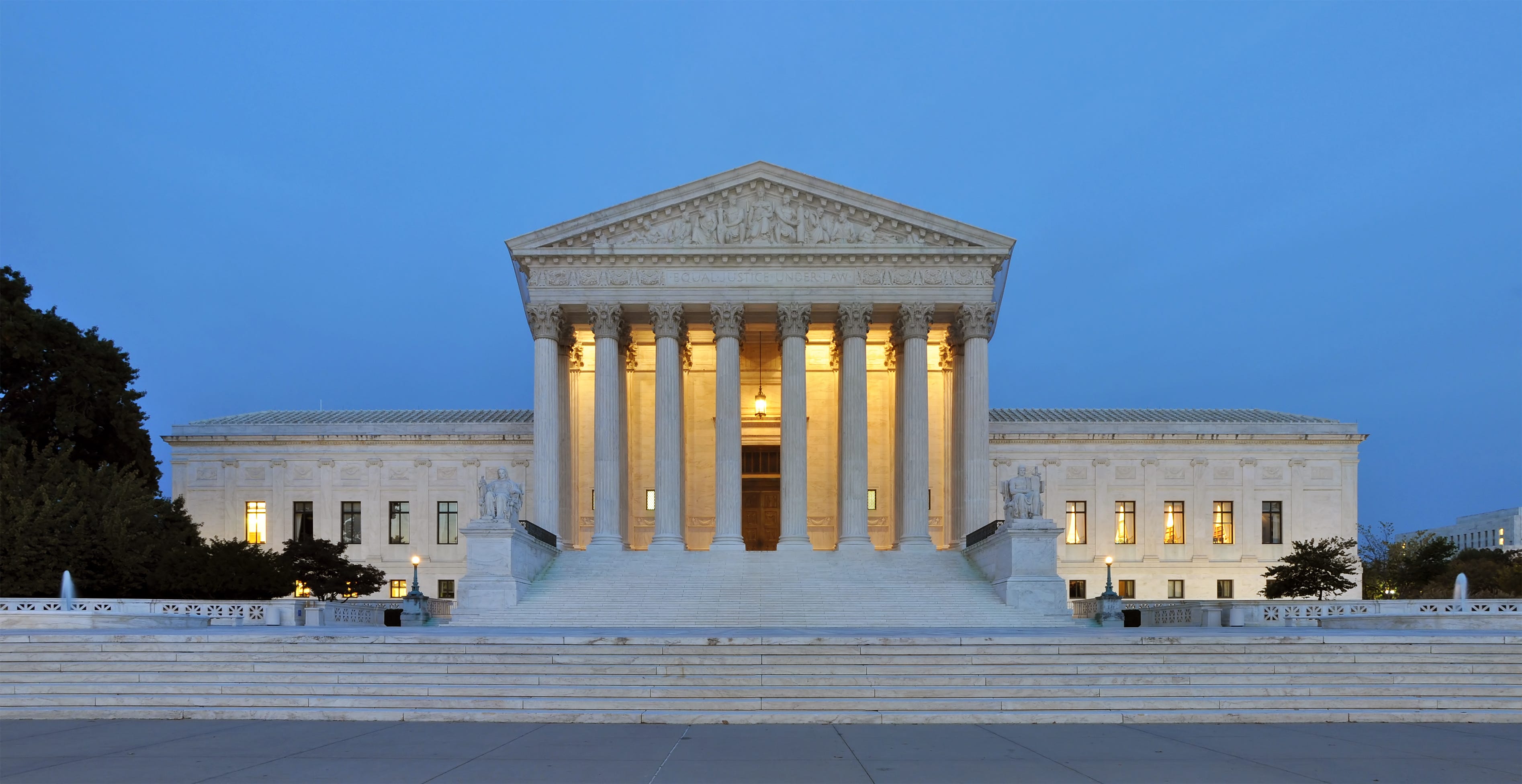
In Trump v. Slaughter, the Supreme Court overruled Humphrey's Executor v. United States, 295 U.S. 602 (1935), holding that any officer exercising executive power within the President's general administrative control must be removable at will. Here is what that likely means for the NLRB.
Board Members: Removal Protections Are Gone
The for-cause removal protection for NLRB Board members under 29 U.S.C. § 153(a), which limits removal to "neglect of duty or malfeasance in office," is now constitutionally unenforceable. The trajectory was clear before Slaughter arrived. The Supreme Court had already granted a stay in Trump v. Wilcox in May 2025, with the majority finding the government "likely to show" the NLRB "exercise[s] considerable executive power." The D.C. Circuit majority followed in Wilcox v. Trump, 25-5057 (D.C. Cir. Dec. 5, 2025), holding that the NLRB's rulemaking authority, policymaking through adjudication, and independent litigating authority placed it outside Humphrey's exception. The Fifth Circuit reached the same conclusion in Space Exploration Technologies v. NLRB, 24-50627 (5th Cir. Aug. 19, 2025), which additionally flagged the NLRB's absence of a statutory partisan-balance requirement as further removing it from the 1935 FTC model. After March 2025, the NLRB itself had effectively abandoned its defense of Board member removal protections on the merits.
Slaughter resolves the question definitively: the President may remove Board members for any reason or none. President Trump's earlier removal of Board Member Gwynne Wilcox is constitutionally validated. Going forward, any administration may reconstitute the Board without statutory constraint on timing or cause.
The General Counsel: Already Settled
The NLRB General Counsel's at-will status was established before Slaughter. The Fifth Circuit in Exela Enterprise Solutions v. NLRB, 21-60426 (5th Cir. Apr. 22, 2022), and the Ninth Circuit in NLRB v. Aakash, Inc., 22-70002 (9th Cir. Jan. 27, 2023), both held that Humphrey's Executor never extended to the GC, whose purely prosecutorial functions, including final authority over investigations, complaints, and litigation strategy, made the position an at-will executive officer under Seila Law. Slaughter eliminates any residual argument for implying removal protection from the GC's fixed statutory term.
ALJs: A Live Circuit Split
NLRB Administrative Law Judges hold dual-layer removal protection: removal only for good cause as determined by the Merit Systems Protection Board, 5 U.S.C. § 7521, with MSPB members themselves subject to for-cause protection. Free Enterprise Fund v. PCAOB, 561 U.S. 477 (2010), flagged double-layer structures as constitutionally suspect. The Fifth Circuit in Space Exploration held NLRB ALJ protections unconstitutional outright under that logic. The Second Circuit in Care One, LLC v. NLRB, 23-7475 (2d Cir. Feb. 5, 2026), reached the opposite conclusion, upholding ALJ protections for officers performing exclusively adjudicatory functions.
Slaughter does not resolve this split.
Past Board Action
Slaughter contains no holding on the retroactive validity of agency orders. The Court reversed and remanded without resolving those remedial questions.
However, under Collins v. Yellen, 594 U.S. 220 (2021), a party seeking to void Board action must demonstrate concrete harm caused by the constitutional defect. The Board has consistently invoked Collins and uniformly found no harm, including in McDonald’s Corporation, Amazon.com Services LLC, Nexstar Media Group,, and Peak Vista Community Health Centers. Each of those cases found “no evidence that the Respondent suffered any harm from the removal protections.”
The courts of appeals agree: the Third Circuit held an ALJ’s past actions “not void” in NLRB v. Starbucks Corp., the Ninth Circuit rejected a challenge in NLRB v. North Mountain Foothills Apartments because the President never sought the ALJ’s removal, and the Second Circuit in Care One, LLC v. NLRB held that merely appearing before an officer with unconstitutional tenure is not cognizable harm. No court has vacated a past NLRB decision on removal-protection grounds.