
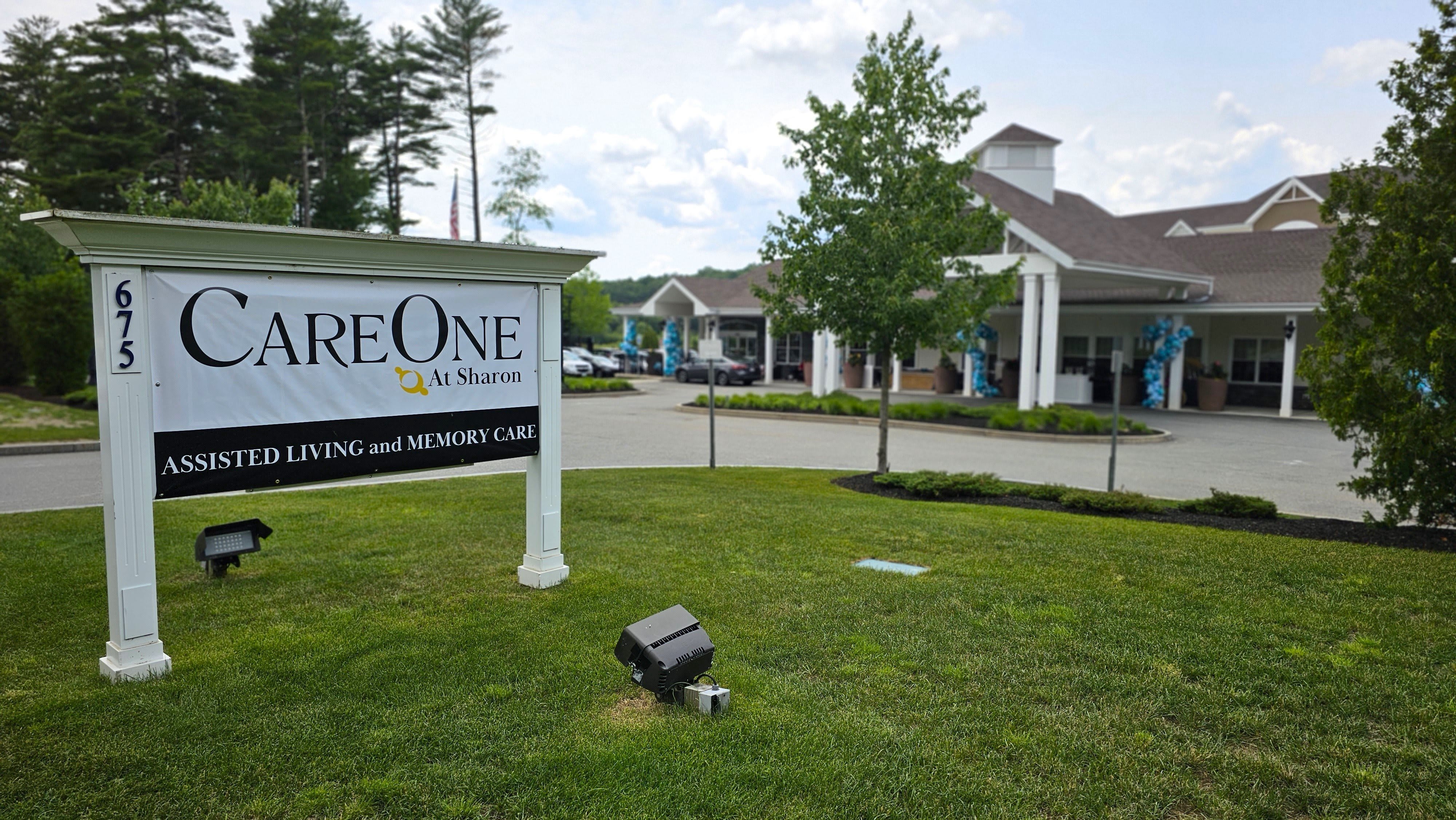
Care One, LLC v. NLRB, 23-7475, (2nd Circuit)
The Second Circuit affirmed denial of a preliminary injunction that would have halted NLRB proceedings against Connecticut health care facilities, finding the facilities failed to demonstrate irreparable harm without reaching their constitutional challenges.
Care One facilities sought to enjoin unfair labor practice proceedings begun in 2012, arguing ALJ Kenneth Chu was unconstitutionally appointed by an improperly constituted Board following NLRB v. Noel Canning, and that dual for-cause removal protections unconstitutionally insulated him from presidential control.
The court declined to resolve these separation-of-powers questions, instead affirming on simpler grounds: Care One could not show likely irreparable harm. ALJ Chu had retired and the case now sat before the full Board—whose members were all lawfully appointed—which conducts de novo review with authority to take additional testimony.
The court rejected Care One’s reliance on Axon Enterprise v. FTC, clarifying that “here-and-now injury” addressed jurisdictional standing, not entitlement to preliminary relief. Following Collins v. Yellen, the court noted that to prove injury from removal protections, parties must show the action wouldn’t have occurred “but for the President’s inability to remove” the official—a showing Care One failed to make.
The court also rejected presuming irreparable harm from alleged constitutional violations, noting such presumptions don’t universally apply and removal violations only cause cognizable harm when protected officials take actions they otherwise wouldn’t have taken.
Judge Pérez concurred separately, arguing the court should have reached the merits and rejected both challenges. She concluded dual-layer removal protections for NLRB ALJs fall within established exceptions for inferior officers performing adjudicatory functions subject to de novo review, unlike Free Enterprise Fund board members with enforcement authority. She also found the Board’s 2014 ratification cured any appointments defect.
Significant Cases Cited
NLRB v. Noel Canning, 573 U.S. 513 (2014): Invalidated January 2012 presidential recess appointments, rendering Board actions between January 2012 and August 2013 invalid.
Collins v. Yellen, 594 U.S. 220 (2021): Unconstitutional removal protection doesn’t render officer’s actions void absent showing the action wouldn’t have occurred but for the removal restriction.
Axon Enterprise, Inc. v. FTC, 598 U.S. 175 (2023): Identified “here-and-now injury” for jurisdictional standing purposes, not for preliminary injunctive relief entitlement.
Free Enterprise Fund v. Public Co. Accounting Oversight Board, 561 U.S. 477 (2010): Invalidated dual-layer removal protections for officials with significant enforcement authority but excepted ALJs performing adjudicative functions.
Lucia v. SEC, 585 U.S. 237 (2018): Remedy for improperly appointed ALJ is new hearing before properly appointed official.